
Moving with Purpose GPS for Seniors Explore this Topic Now
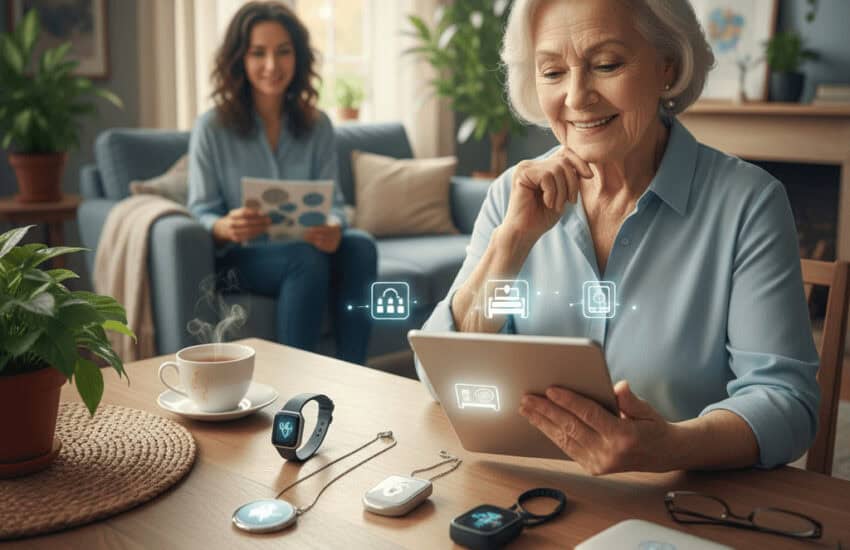
Moving with purpose means a lot to seniors who love staying independent and active. A reliable GPS device acts like a quiet buddy, making sure morning walks around the neighborhood feel safe and weekly grocery runs happen without a hitch. GPS tools suit older adults well because they offer freedom and peace of mind. Picking the right one comes down to simple, practical tips that help the device work best for daily life. Discover how these gadgets can boost confidence and keep adventures worry-free—an important reason to keep reading.
The goal is to make tech feel friendly rather than foreign. I will cover device features to look for, real life situations where GPS helps, ways to teach a loved one to use one confidently, privacy points to consider, and how to weigh cost and value. These insights aim to help families and caregivers pick options that match real needs and daily routines.
Moving with Purpose GPS for Seniors why this matters now
More seniors are driving or walking independently than in past decades. That trend brings benefits for health and social connection. A GPS option that fits the user can reduce time spent worrying about routes and increase time spent on the activities that matter. That means more gardening time, coffee with friends, and errands completed on schedule.
Technology that supports mobility can also lower the threshold for trying new places. With a reliable route friend, a person may feel comfortable visiting a new park or attending a community event. The result is a richer routine and greater social contact which are important for wellbeing.
Key features seniors truly need in a GPS solution
Not every feature marketed as helpful is essential. Focus on design points that matter for daily use rather than an exhaustive spec list. The right combination of screen clarity, voice prompts, and routing reliability is what counts.
Simplicity and readability
- Large text and high contrast screens make maps and directions easy to read at a glance.
- Minimal menus cut down on accidental taps. A simple search bar and a clear home button go a long way.
- Adjustable volume and clear spoken directions allow people with mild hearing loss to follow along.
Reliable routing and offline options
Signal gaps and lost connections happen. A GPS that stores maps offline or keeps a cached route helps keep the user moving when a cellular signal drops. Look for apps or devices that let you download maps for frequent areas such as town centers, parks, and shopping districts.
From garden paths to grocery runs real life use cases
Concrete examples help decide which features matter. Here are several everyday scenarios and what works best in each.
- Garden paths and community gardens. Short walks inside a park call for a simple route tracker that records distance and time rather than complex turn by turn guidance.
- Grocery runs and errands. For errands, the device should provide reliable driving directions, estimated arrival times, and alternative routes when roads are busy.
- Walking in unfamiliar neighborhoods. Clear spoken cues and the ability to zoom the map quickly help when walking on foot in a new area.
- Medical appointments. Calendar linking and the option to save commonly used addresses remove friction when attending frequent appointments.
Choosing the right device or app practical steps
Picking a GPS begins with honest answers to a few simple questions. How often will it be used outdoors on foot versus in a car? Is there regular access to Wi Fi or a cellular plan? Does the user prefer a dedicated device or an app on a familiar smartphone?
For someone who only needs help occasionally a straightforward smartphone app may be ideal. If a person spends a lot of time outside away from signal a dedicated unit with strong battery life and offline maps may be worth the investment. Try a free app trial or demo a device in person before committing to a purchase.
Training tips that build confidence quickly
Learning a new piece of technology is easier when practice happens in short, supportive sessions. Structure early lessons so success comes fast and frustration stays low.
- Start with one task. Begin by opening the app and finding home. Practice until that action is second nature.
- Use repetition. Repeat a route with the device active three times before adding new features like saved places.
- Teach undo steps. Show how to cancel a route and how to return to the main screen if something looks confusing.
- Create a cheat sheet. A single page with screenshots and short labels is helpful when concentration dips or memory fades.
Safety and privacy considerations for peace of mind
GPS tools collect location information and some sync with online accounts. Review privacy controls and confirm that location sharing is off by default unless expressly turned on. For people who share a device details about who sees live location should be discussed and limited to trusted contacts.
Physical safety features also matter. Look for options that make it easy to call a contact or emergency services from the app. Some devices include an SOS button or a shortcut for one touch dialing which can be useful for someone who needs quick access to help while out.
Costs subscriptions and value for seniors
Prices range from free apps with ads to paid subscriptions and one time hardware purchases. When evaluating cost consider total value not just the upfront price. A free app that is confusing will not replace a small monthly fee for a service that is simple and reliable.
Check if a device requires map updates for a fee or if the app offers essential features only behind a subscription wall. If a caregiver plans to manage the device remotely confirm whether that function is included. Sometimes a modest subscription adds conveniences that reduce time spent troubleshooting which has its own value.
How families can support ongoing use of GPS
Support is often small habits that keep usage steady. Schedule a monthly check in to update saved places and confirm software is current. Keep a drawer with charger cables labeled and a printed map of frequently visited locations for reference.
Encourage exploration in low stakes settings. Walk a familiar route together while the device runs in the background. Celebrate small successes like arriving on time to a new cafe. Those moments build confidence and make the tool part of a healthy daily routine.
For readers who want more examples focused on practical mobility from neighborhood paths to daily errands I recommend this resource which includes stories from seniors who use GPS in active ways and product notes that helped them choose devices. Visit explore this topic for a helpful companion piece that aligns with many of the points covered here.
Conclusion making the most of GPS for an active life
Sensible GPS choices are about fit not fashion. A tool that matches visual needs, hearing preferences, and the typical travel pattern will deliver the greatest benefit. Keep the learning curve short with focused practice sessions and use simple physical aids such as a printed cheat sheet and labeled chargers to remove friction.
When evaluating options weigh clarity of directions, offline map support, safety features, and total cost over time. Pick one main device or app and commit to learning its core functions before adding extras. Families should schedule regular check ins and keep privacy discussions open so location sharing is intentional and limited to trusted contacts.
If you are helping a loved one decide start small. Try a no cost app for a month to learn what features matter, then move to a paid plan or dedicated device if the extra conveniences match real needs. With thoughtful selection and light coaching a GPS can become a steady companion for everyday life and help seniors keep doing the things they enjoy with confidence. Take one step today by testing a simple route together and building from that success to wider use.