
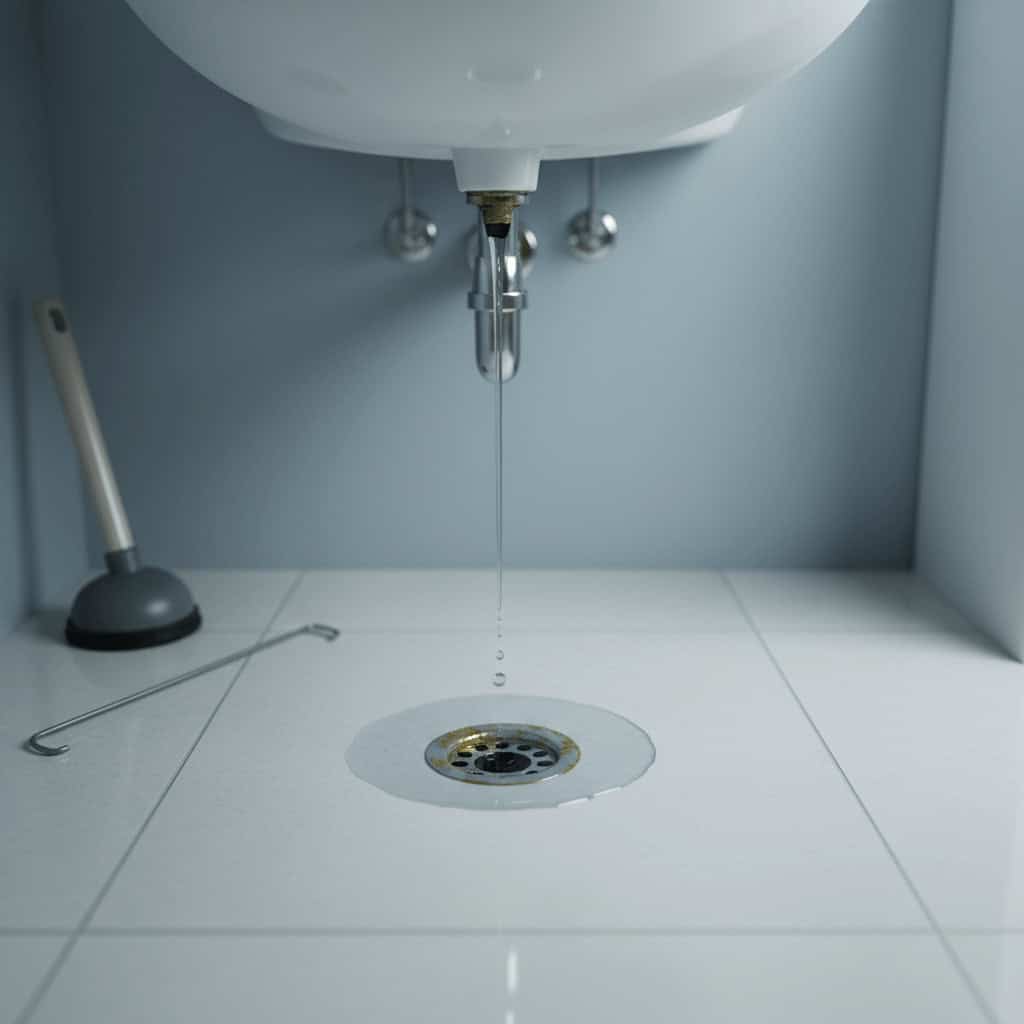
Early Signs of Drain Problems
Clogged or slow drains are a common household nuisance that can start as a small inconvenience and grow into a costly repair. Noticing the early signs of drain problems helps you take action before fixtures back up, walls stain, or your yard develops soggy spots that point to a broken sewer line. This article lays out the signals to watch for and practical steps you can take right away.
Whether you live in an older home or a recent build, plumbing issues appear in similar ways. The goal is to spot those warning signs quickly, limit damage, and decide when to handle the situation yourself and when to call a professional. Read on for clear examples, everyday tips, and realistic expectations for repair and maintenance.
Why spotting Early Signs of Drain Problems matters for your home
Small clogs can hide larger issues such as tree root intrusion or pipe corrosion. A slow sink might be a simple trap clog, or it could be the first indication of a main line problem. Acting early often allows for less invasive fixes that cost less and require less time away from normal routines. For example a kitchen sink that is slow for a week may respond to a manual clean, while waiting months could mean grease has hardened farther down the line.
Another reason to pay attention is health. Sewage odors and frequent backups can bring bacteria into living spaces. Addressing problems at the first sign reduces exposure to contaminants and helps maintain the value and habitability of your property.
Common early signs to watch for and what each one usually means
- Slow draining sinks or tubs This often starts in one fixture and may remain local, indicating hair or food buildup in the trap. If multiple fixtures slow at once the issue could be in a shared drain or sewer line.
- Gurgling sounds These noises come from trapped air moving through partial blockages. They can indicate poor venting or an obstruction in the main drain.
- Unpleasant or sewage odors Smells near drains or outdoors by the foundation point to trapped waste, broken seals, or cracked pipes leaking gases. These should not be ignored.
- Backups that push water out of other drains When a toilet flush forces water into a bathtub or sink there is likely a blockage in the main sewer line.
- Slow flushing toilets A toilet that takes multiple flushes to clear can be a localized problem or part of a larger clog depending on whether other drains are affected.
- Soggy or unusually green lawn near the sewer line A wet patch over the sewer route often means a break that is discharging effluent into the soil.
- Recurring clogs If you clear a clog and it returns soon after, that suggests a deeper issue like tree roots or a collapsed section inside the pipe.
Kitchen signs to watch for
Grease buildup is common and starts as slow draining then progresses. Food particles, coffee grounds, and starchy waste are frequent culprits. Avoid putting fats down the drain since they solidify and trap other debris as they cool.
Bathroom signs to watch for
Hair and soap scum combine into a film that reduces flow. If you notice slow showers or faucets draining more slowly after shaving or washing hair it is usually this mixture. Hair traps and routine cleaning reduce these problems.
What causes these early signs and how to identify the actual problem
Understanding cause helps you pick the right response. Common causes include mechanical blockages such as hair or grease, biological growth like roots entering joints, and material failure from corrosion or joint separation. In older cast iron lines corrosion inside the pipe can narrow the passage over time and create frequent backups.
Other structural causes include pipe belly where a sag forms and catches debris, and poor slope that slows the flow. Environmental causes include tree roots seeking moisture and entering small cracks. A visual inspection using a camera is the most reliable way to confirm which of these is present and where the issue sits.
Immediate steps to take when you notice early signs
- Clear visible debris Use gloves and a hand snake on accessible traps. Removing hair and gunk at the trap often restores flow for sinks and tubs.
- Avoid chemical drain cleaners These can damage older pipes and provide only temporary relief. They also create a hazardous situation for plumbers who work on the lines later.
- Try a plunger For toilets and some sinks a plunger is effective and safe. Use a flange plunger on toilets and a cup plunger on sinks.
- Use a drain snake carefully A hand auger will remove many clogs and is inexpensive. For deep or stubborn blockages do not force the tool because that can harm the pipe.
- Check other fixtures Test multiple drains to see if the problem is isolated or widespread. Slow flow in multiple spots suggests a main line issue.
When to call a professional and what to expect on the job
Call a licensed plumber when problems persist after basic measures, when multiple drains are affected, or when there is any sign of sewage backups or backyard wet spots. For homeowners near Fairfield a same day service can be practical and reduce damage when signs escalate quickly. Consider Fairfield drain cleaning as an option if you need local expertise and rapid response.
What professionals do on site
Technicians begin with a simple visual and pressure test to narrow down the location. If needed they insert a camera into the line to record the interior and locate blockages or breaks. Common field solutions are manual snaking for soft clogs, hydro jetting to scour grease and roots without digging, and targeted repairs for damaged pipe sections.
How long and what it costs
Most diagnostic visits take 45 to 90 minutes. A basic snake job can be completed in under two hours and is usually the least expensive option. Hydro jetting costs more and may be recommended when grease or roots are involved. Emergency repairs and excavation raise the price further. Get an itemized estimate before work begins and ask about warranty on repairs.
Prevention practices that reduce the chance of major repairs
- Regular maintenance Schedule a professional inspection every one to three years depending on your pipe age and tree density near the sewer line.
- Use strainers Install simple screens in sinks and showers to catch hair and food and empty them into the trash.
- Dispose of grease properly Collect cooking fats in a container and discard them in the trash rather than pouring them down kitchen drains.
- Plant carefully Keep large trees away from sewer routes to reduce root invasion. When planting choose species with less aggressive root systems.
- Replace old lines If your home has cast iron or clay lateral lines that are decades old consider proactive replacement to avoid repeated intervention.
Common clearing methods explained so you can weigh options
Hand snaking is effective for hair and small debris near fixtures. It is low cost and quick. A motorized auger reaches farther and can be used for tougher blockages. Hydro jetting uses high pressure water to remove grease and organic buildup and is useful where roots and heavy deposits exist. It is more intensive but cleans pipe walls and restores near new flow in many cases.
Pipe repair methods vary from spot repair where a short bad section is replaced, to pipe lining which inserts a sleeve cured in place to seal cracks without excavation, to full replacement for severely damaged runs. Choose a solution based on camera inspection findings and a clear estimate that compares longevity and cost.
Signs that point to a larger sewer problem and call for immediate intervention
Some signs require rapid action. These include raw sewage in the house, persistent odors outside near the foundation, large soggy patches in the yard, and multiple fixtures backing up at once. These symptoms often mean the main sewer line is compromised and pose health risks. When you see them take pictures if it is safe to do so and call a professional quickly to limit property damage and cleanup expenses.
How to track problems and keep records for future use
Keep a simple log when you notice changes in drain performance. Note the date the issue started what you tried and the outcome. Save invoices and camera footage from professional visits. These records help technicians diagnose recurring problems and support warranty claims if repairs are needed again. They also help you decide if a replacement investment is justified.
Examples help illustrate the difference between small and large problems. A homeowner who cleared repeated kitchen clogs with an auger found later that tree roots had invaded the lateral. The initial fixes masked the real issue. Another homeowner who monitored slow drains and scheduled a camera inspection discovered worn joints and avoided an emergency collapse by replacing a short run during a planned project.
Knowing the early signs of drain problems gives you options and control. Quick DIY steps reduce the chance of immediate backups and keep costs down. When the problem extends beyond the trap or recurs frequently a professional inspection with a camera and an informed estimate will point to the best fix. If you live near Fairfield and need same day help consider local services that can inspect and clear lines promptly.
To sum up take the first slow signs seriously and act with measured steps. Start with safe DIY measures such as removing visible debris using a hand snake and using strainers. Avoid chemical products which can cause pipe damage. Keep records of incidents and repairs and schedule periodic inspections especially for older homes or properties with trees close to sewer routes. If multiple fixtures are affected or you detect sewage smells or yard saturation call a licensed plumber. A quick professional diagnosis often saves money and prevents property damage in the long term.